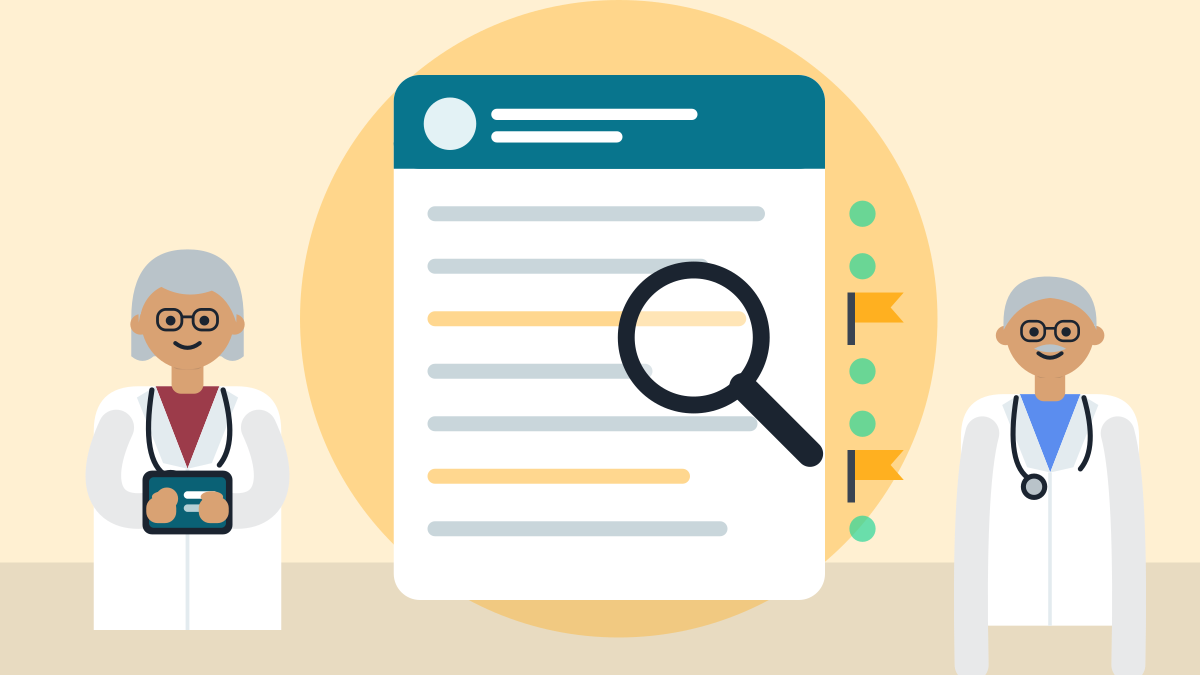
On 6 October 2026, the National Medical Commission put out new guidelines on how doctors and hospitals may advertise. They came into force the same day.
At a glance they look like a list of things you can no longer do. That worry is fair.
Read slowly, they say something kinder. The doctor patients find should be the doctor who is truly there, with true facts. That is good news for a good doctor. True, clear facts are also what ChatGPT and Google Gemini read about a doctor.
What did the guidelines take off the table?
Most of the usual marketing moves. The guidelines cover every place a doctor can be seen. That is print, TV, websites, Instagram, WhatsApp, influencers, search engines and anything made with AI. These are out:
- "Best", "No. 1", "top", "leading", "most trusted", unless the claim can be checked independently.
- Testimonials, before-and-after photos and success stories used to promote you.
- Asking patients for reviews, or sharing them, to promote yourself. Do not repost any review to promote your clinic. Buying or faking reviews, likes or followers is out too.
- Discounts, time-limited offers, free procedures and cashback used to bring patients in.
- Letting others endorse you. Your name, image or voice used to promote your services, by an influencer or anyone else.
- Paying an agency per patient or per lead.
- AI-made promotional campaigns for commercial gain. Other AI-made promotional content must carry a mark saying it came from AI.
- Paid ranking of doctors on the platforms that list them.
That is most of what a busy clinic was told to do last year. Many agency ads still promise "qualified leads" and "#1". If an agency posts that for you, the notice still holds you responsible.
Here are three steps for today:
- Read your last few posts.
- Take out "best", "top" and "No. 1". Take down patient thank-you posts.
- Put your name, degree and registration number on each post.
What did the guidelines keep open?
True facts that anyone can check. A hospital or clinic may share factual, verifiable information: its name, location, contact details, departments, facilities, services and fees. A doctor may make formal announcements, such as starting practice or a new address. A doctor may also give health education.
Put simply: stick to true facts that anyone can check.
Do patients really ask their phone now?
Yes. Patients used to ask a neighbour. Here is the part most doctors have not noticed yet.
Say a family in your city asks ChatGPT, "Which skin doctor should I see near me?" The answer is not an advertisement. ChatGPT and Google Gemini read what is written about doctors across the web. That means your Google profile, your website, Practo, Justdial, your Instagram and the pages people trust. Clear facts that agree with each other are what they have to work with.
The things the guidelines still allow are what AI reads about a doctor. That means true facts, said the same way everywhere. No slogan gets you there. No offer gets you there. Clear facts do.
The guidelines do not mention what ChatGPT or Gemini say about a doctor. They do ask that what a doctor puts out is true and not promotional. Clear, true facts, the same everywhere, fit that.
Where do most good doctors stand today?
Their facts have drifted. These are the kinds of things we look for:
- The phone number on Google is old, or different from the one on the website.
- The timings say "Open 24 hours" when the OPD closes at 8.
- The treatment the doctor is best known for is not written anywhere AI can read it.
- In the towns around the city, AI does not name the doctor at all.
None of this is about advertising. It is about facts that drifted. So a skilled doctor can be invisible to a patient asking their phone. Someone with a tidier profile gets named.
Be found with true facts
This is the work we do at VisiDx. You approve every word, and we use only true facts:
- Your facts, the same everywhere. Name, specialty, clinic, address, phone and timings made consistent on Google, your website, Practo, Justdial and Instagram.
- What you treat, written clearly. A page for each treatment, your area and each nearby town. We use the words patients use, in English, Hindi and Hinglish. You approve the plain information. No "best", no promises of cure.
- Wrong answers traced and fixed. When ChatGPT or Gemini tells patients the wrong fees, timings or specialty, we find the page it came from. We fix it where we can.
- Every post checked against the notice. Each post carries your name, degree and registration number. We read it against the 6 October notice before it goes out.
- Proof, not claims. Every month we ask ChatGPT, Gemini and Google AI the same patient questions, and show you what they say.
No testimonials. No before-and-after. No offers. No paid rankings. A flat fee, never a charge per patient or per lead. We never buy reviews, and we never ask your patients for them.
A free website for life. Every month we show you what ChatGPT and Gemini tell patients about you. Every post is checked against the NMC's 6 Oct notice. You approve; we do the work.
The notice says you stay responsible for what anyone publishes for you. So you approve every word before it goes out.
More guides
- How to get ChatGPT to recommend your clinic: The main guide, with the steps for this week.
- What the NMC lets you share: name, degrees, fees, health teaching: The clauses, in plain words.
- How to reply to a bad Google review as a doctor: Reply without naming any patient.
- How to add photos to your clinic's Google profile: Which six photos help a family find your door.
- Justdial listing for doctors: claim, correct or remove: Find and fix pages you did not make.
- How to increase patients in your clinic in India: How families find a doctor now, and what to fix.
- How to add your clinic on Google Maps: Claim or add your clinic, then verify it.
- How to change your clinic timings on Google Maps: Set both OPD sittings and your leave days.
- What your clinic website tells AI about you: Put your name, specialty, city and timings in plain words.
Questions doctors ask
What are the NMC advertising guidelines of 6 October 2026?
They are new guidelines from the National Medical Commission on how doctors and hospitals may advertise. They came into force on 6 October 2026. They cover print, TV, websites, Instagram, WhatsApp, influencers, search engines and anything made with AI. This is not legal advice.
Can a doctor use "best" or "No. 1" in a post?
No, unless the claim can be checked independently. The guidelines take off the table "best", "No. 1", "top", "leading" and "most trusted". Testimonials, before-and-after photos, success stories, discounts and time-limited offers are also out. Take them out of your last few posts.
What can a doctor still share under the NMC notice?
True facts that anyone can check. A hospital or clinic may share its name, location, contact details, departments, facilities, services and fees. A doctor may make formal announcements, such as starting practice or a new address, and may give health education.
Do patients really ask ChatGPT for a doctor?
Yes. Say a family in your city asks ChatGPT which skin doctor to see. The answer is not an advertisement. ChatGPT and Google Gemini read what is written about doctors across the web: your Google profile, your website, Practo, Justdial and your Instagram. Clear facts that agree with each other are what they have to work with.
Am I responsible for what an agency posts for me?
Yes. The notice says a doctor stays responsible for what anyone publishes for them. Many agency ads still promise "qualified leads" and "#1". So approve every word before it goes out, and put your name, degree and registration number on each post.
Start with your digital clinic
The first step costs nothing. Your clinic page goes live in 60 seconds. Then you can add a check of your Instagram, website and Google profile against the 6 October notice. Each line it counts against you is quoted, with the rule and the fix. The check also asks ChatGPT, Google Gemini and Google AI the questions your patients ask. You see where your name comes up, and which doctors are named instead.
Not legal advice. We show what the NMC notice of 6 Oct 2026 says. We never say a page is compliant.